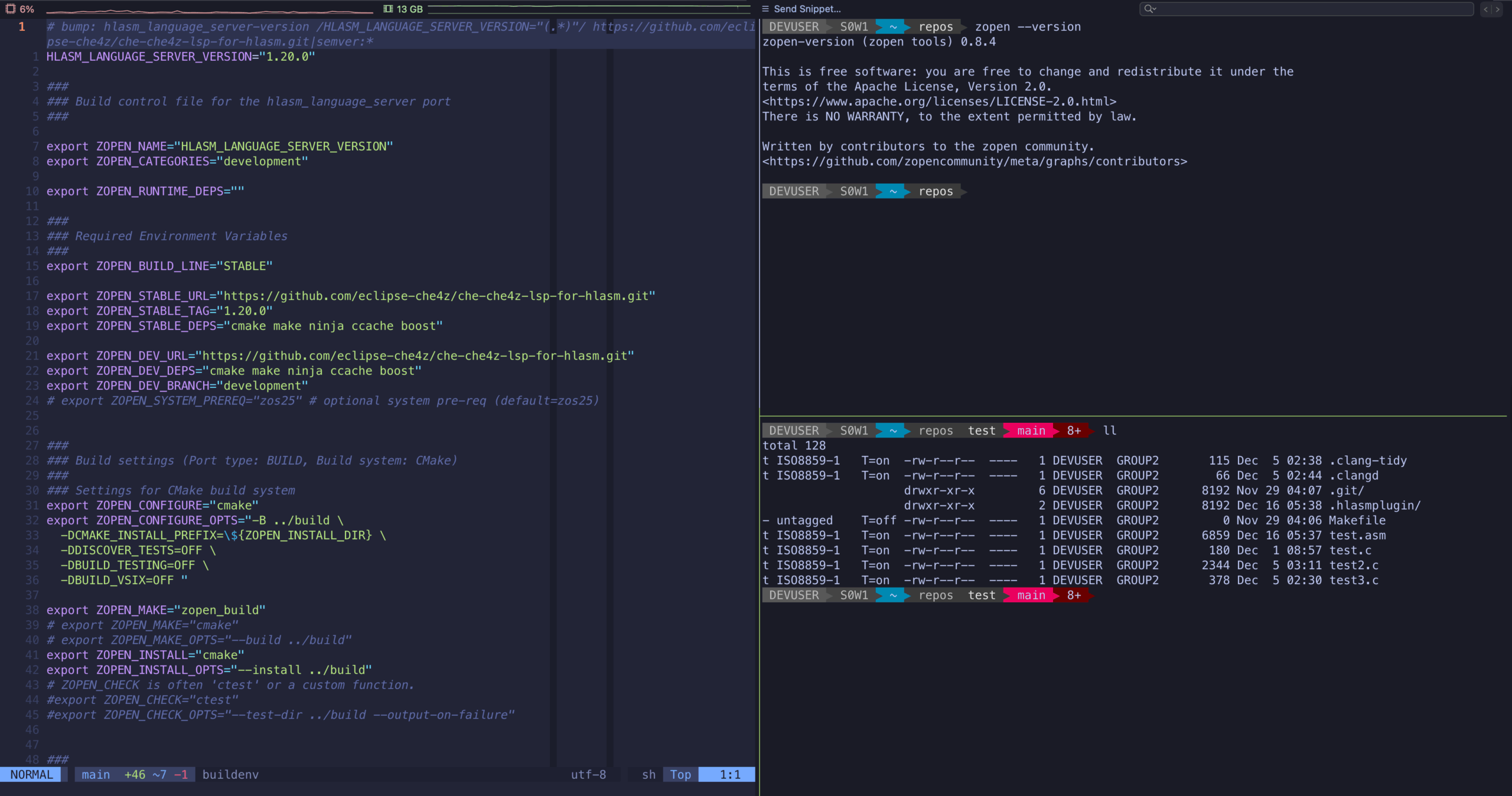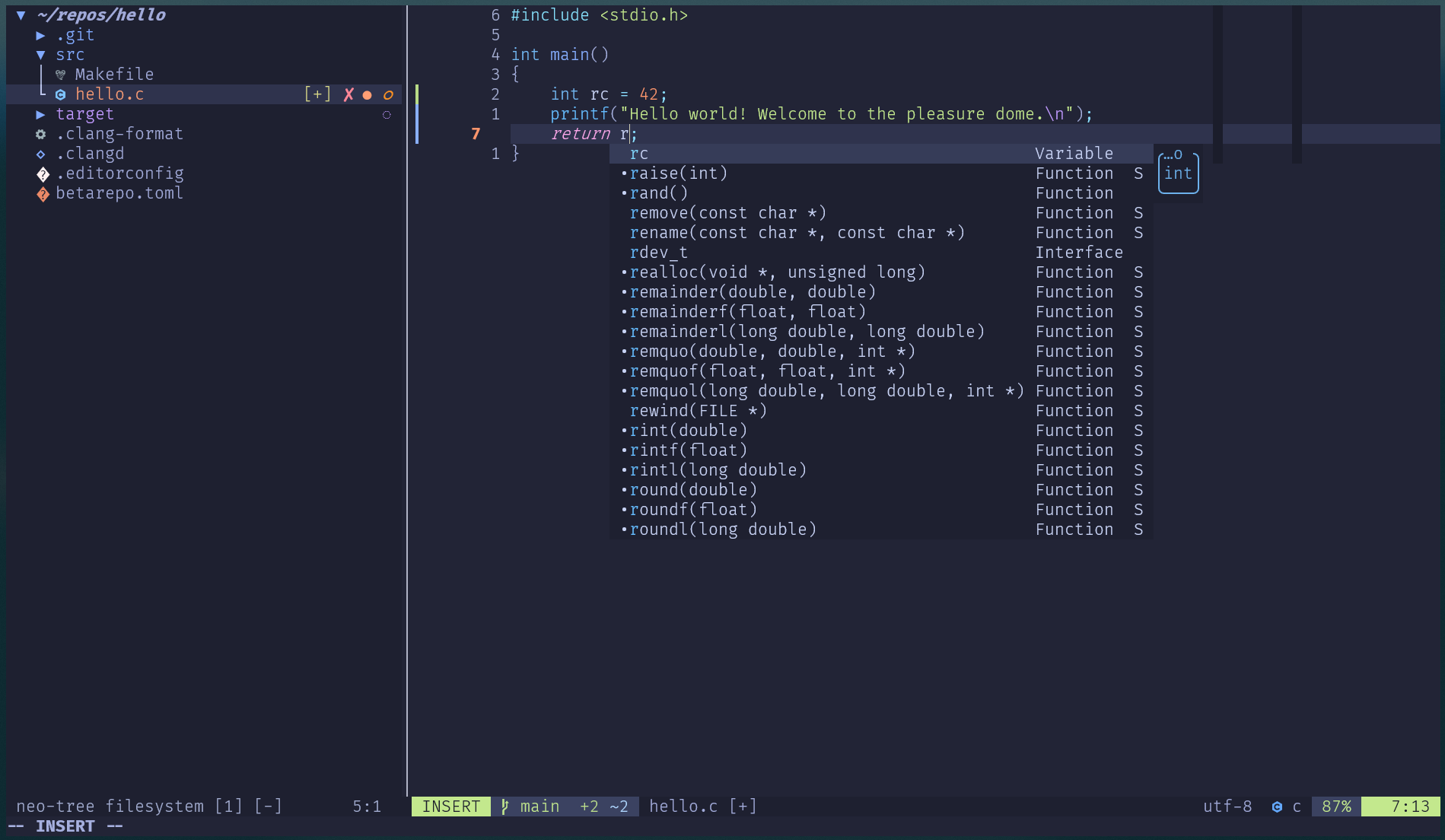
Building a Modern VIM Configuration from Scratch – Part 3: IDE Intelligence with LSP

In Part 1, we built a solid foundation. In Part 2, we added essential plugins. Now we’re adding the final piece: IDE-level intelligence. By the end of this article, you’ll have auto-completion, go-to-definition, real-time error checking, and code actions, all inside VIM. The same features that make VS Code popular, running in your terminal on … Read more

Building a Modern VIM Configuration from Scratch – Part 2: Essential Plugins

In Part 1, we built a solid ~150 line VIM configuration. No plugins, just core settings we understand. Now? We add superpowers. By the end of this article, you’ll have fuzzy finding, Git integration, beautiful colors, smart editing helpers, and a status line that actually looks good. All tested on z/OS. All explained. All yours … Read more

Building a Modern VIM Configuration from Scratch – Part 1: Solid Foundations

Understanding every setting, building incrementally, making it yours. In my previous article, we set up a modern Unix environment on z/OS. Let’s build a VIM configuration that actually makes sense. No copying mysterious snippets from the internet. No cargo-culting settings you don’t understand. We’ll build this step by step, and I’ll explain why each setting … Read more

Setting up a Modern Unix Development Environment on z/OS (USS)

Your first steps towards feeling at home on the mainframe. When you’re coming from Linux or any Unix-like system, the first encounter with z/OS can feel… different. Yes, it’s powerful, rock-solid, and built to run some of the world’s most important workloads. But when you SSH into UNIX System Services (USS) for the first time, … Read more

Why I Started This Blog

Sharing My Passion for z/OS and Modern Mainframe Development Hi, and welcome to my blog! My name is Mike, and I’ve been working with z/OS and the mainframe ecosystem for about 10 years now. But my journey started long before that—back in my spare time, exploring retro operating systems like MVS 3.8j. What began as … Read more